
NAMO
NAMO
NAMO
NAMO
NAMO
NAMO
NAMO
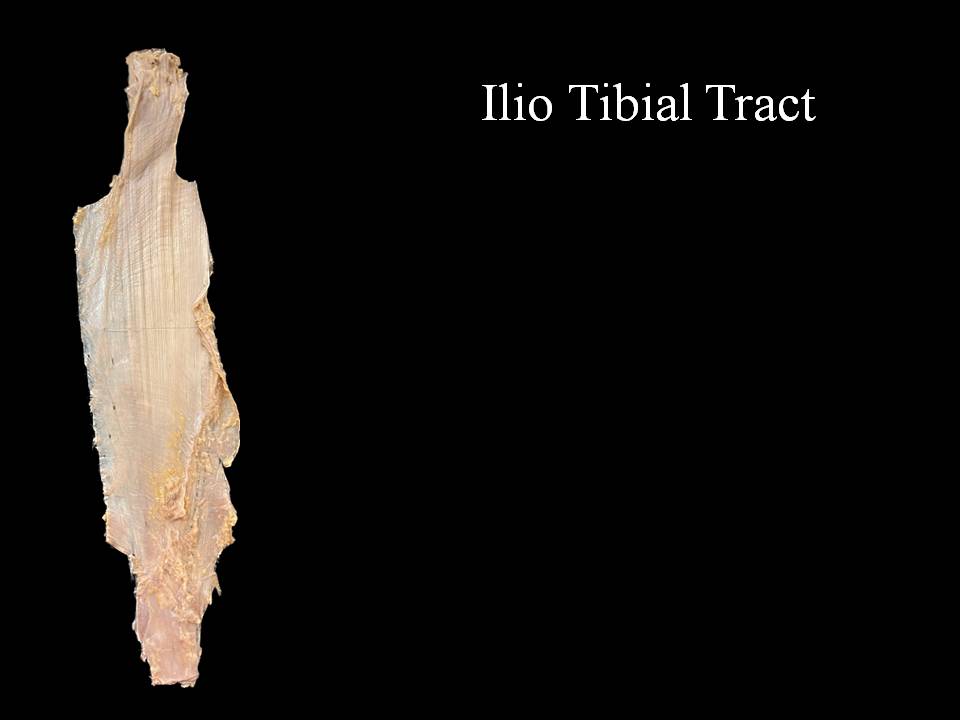
Specimen Image

Concise Notes – Knee Joint Assessment & Injury

  • High injury susceptibility
    • Knee lies between two long lever arms: femur and tibia → greater stress during trauma.
    • Stability relies more on ligaments & muscles than bony structure (limited inherent bony stability).
  • Importance of ligament testing
    • Ligaments are primary stabilizers → must always be examined.
    • Ligament tests are separated from “special tests” to prevent omission in evaluation.
  • Complexity of assessment
    • Knee contains multiple interacting structures → careful, systematic examination required.
    • Examiner should allocate sufficient time to test all relevant tissues.
  • Referred pain considerations
    • Pain may originate outside the knee:
      • Lumbar spine
      • Hip
      • Ankle
    • Always assess adjacent regions if symptoms are atypical.
  • Key clinical example
    • Slipped capital femoral epiphysis (hip pathology) commonly presents as knee pain.
    • Referred pain may dominate clinical picture → risk of misdiagnosis if hip not examined.


Concise Notes – Tibiofemoral Joint

  • General features
    • Largest joint in the body.
    • Modified hinge joint with 2° of freedom.
    • Extensive synovial membrane; communicates with multiple bursae & pouches.
  • Synovium & cruciate ligaments
    • Synovial membrane encapsulates knee but cruciate ligaments are extrasynovial.
    • Cruciate = ligaments cross each other.
    • Cruciate ligaments run from tibial plateau → intercondylar femur.
  • Articular surfaces & congruency
    • Tibia & femur surfaces are not fully congruent → allows differential movement.
    • Congruency increases in full extensionclose-packed position.
    • Close-packed includes full lateral (external) rotation of tibia (Kaltenborn).
  • Femoral condyle anatomy
    • Lateral femoral condyle projects more anteriorly than medial.
    • Helps prevent lateral patellar dislocation.
    • Particularly important in females:
      • Broader pelvis → increased femoral inward angle (Q-angle).
      • Condyles align parallel to ground.
  • Joint positions & patterns
    • Resting position: ~ 25° flexion.
    • Capsular pattern: Flexion more limited than extension.
Specimen Number
47