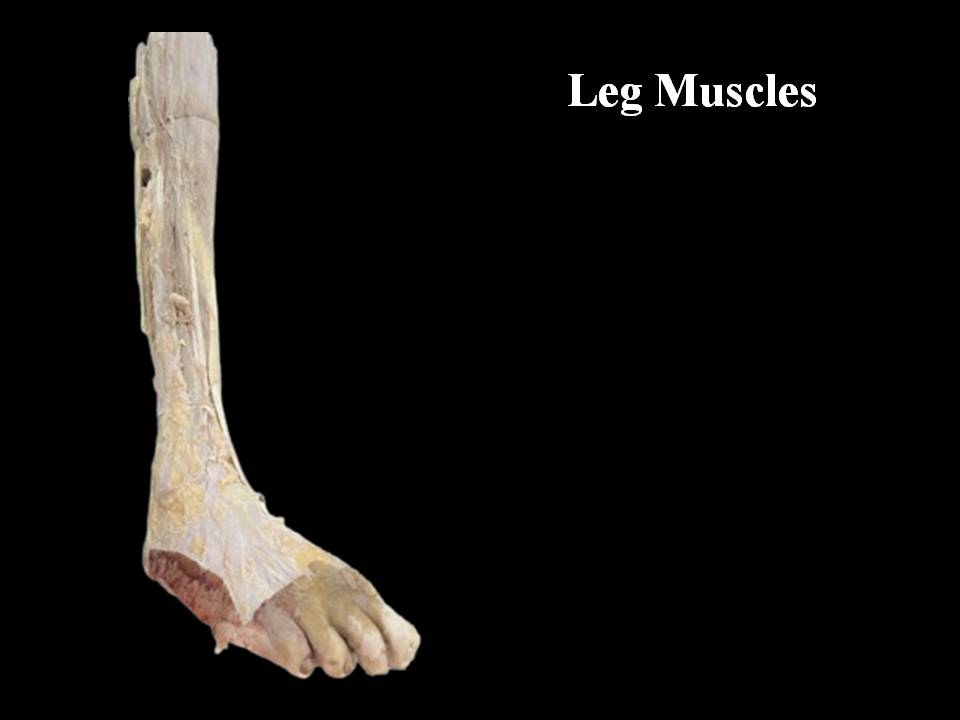
Gluteus Maximus Muscle. Posterior view.
The gluteus maximus is quadrangular in shape and has a broad origin extending from a roughened area of the ilium behind the posterior gluteal line and along the dorsal surface of the lower sacrum and the lateral surface of the coccyx to the external surface of the sacrotuberous ligament. It is also attached to fascia overlying the gluteus medius muscle and, between the ilium and sacrum, to fascia covering the erector spinae muscle, and is often described as being enclosed within two layers of the fascia lata, which covers the thigh and gluteal region.
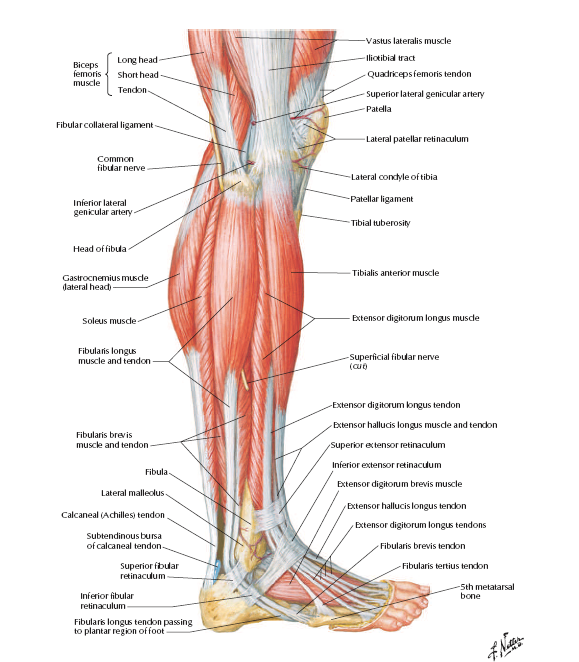
Laterally, the upper and superficial lower parts of the gluteus maximus insert into the posterior aspect of a tendinous thickening of the fascia lata (the iliotibial tract), which passes over the lateral surface of the greater trochanter and descends down the thigh and into the upper leg. Deep distal parts of the muscle attach to the elongate gluteal tuberosity of the proximal femur.
The gluteus maximus mainly extends the flexed thigh at the hip joint. Through its insertion into the iliotibial tract, it also stabilizes the knee and hip joints. It is innervated by the inferior gluteal nerve