NAMO
NAMO
NAMO
NAMO
NAMO
NAMO
NAMO
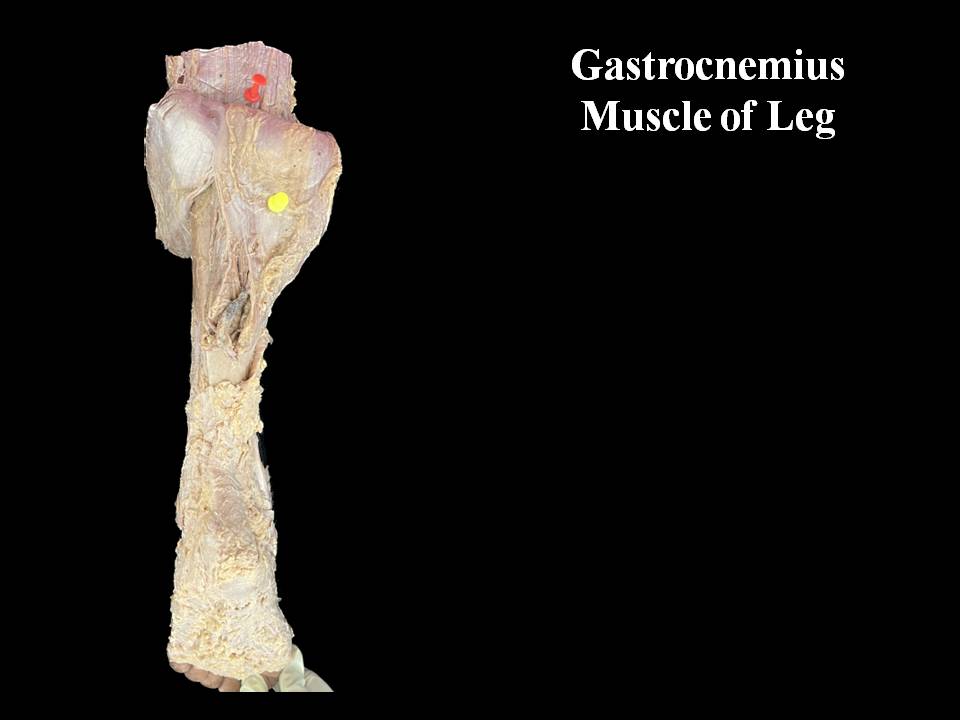
Specimen Image

The medial thigh contains the adductor muscle compartment, primarily responsible for hip adduction and stabilization, innervated mostly by the obturator nerve. Key muscles include the pectineus, gracilis, adductor longus, adductor brevis, and adductor magnus. This compartment houses significant neurovascular structures like the obturator artery and vein. 

TeachMeAnatomyTeachMeAnatomy +4

Medial Thigh Muscles (Adductor Group)


  • Adductor Longus: Most superficial in the group.
  • Adductor Brevis: Located deep to the adductor longus.
  • Adductor Magnus: The largest and deepest muscle, with both adductor and hamstring portions.
  • Gracilis: The most superficial and medial, crossing both hip and knee joints.
  • Pectineus: Located proximally, acting as an adductor and flexor.
  • Obturator Externus: Deep muscle that rotates the thigh laterally. 

    Image removed.TeachMeAnatomy +4

Neurovascular and Clinical Structures

  • Obturator Nerve: Supplies most of the medial compartment muscles (L2-L4).
  • Adductor Canal (Hunter's Canal): Located in the middle third of the thigh, it contains the femoral artery, femoral vein, and saphenous nerve.
  • Adductor Hiatus: An opening in the adductor magnus that allows femoral vessels to pass to the popliteal fossa. 

    Image removed.TeachMeAnatomy +4

Function
The primary action is to adduct the hip, drawing the legs together. These muscles are critical for walking, stability, and controlling movements at the hip joint

Specimen Number
42