
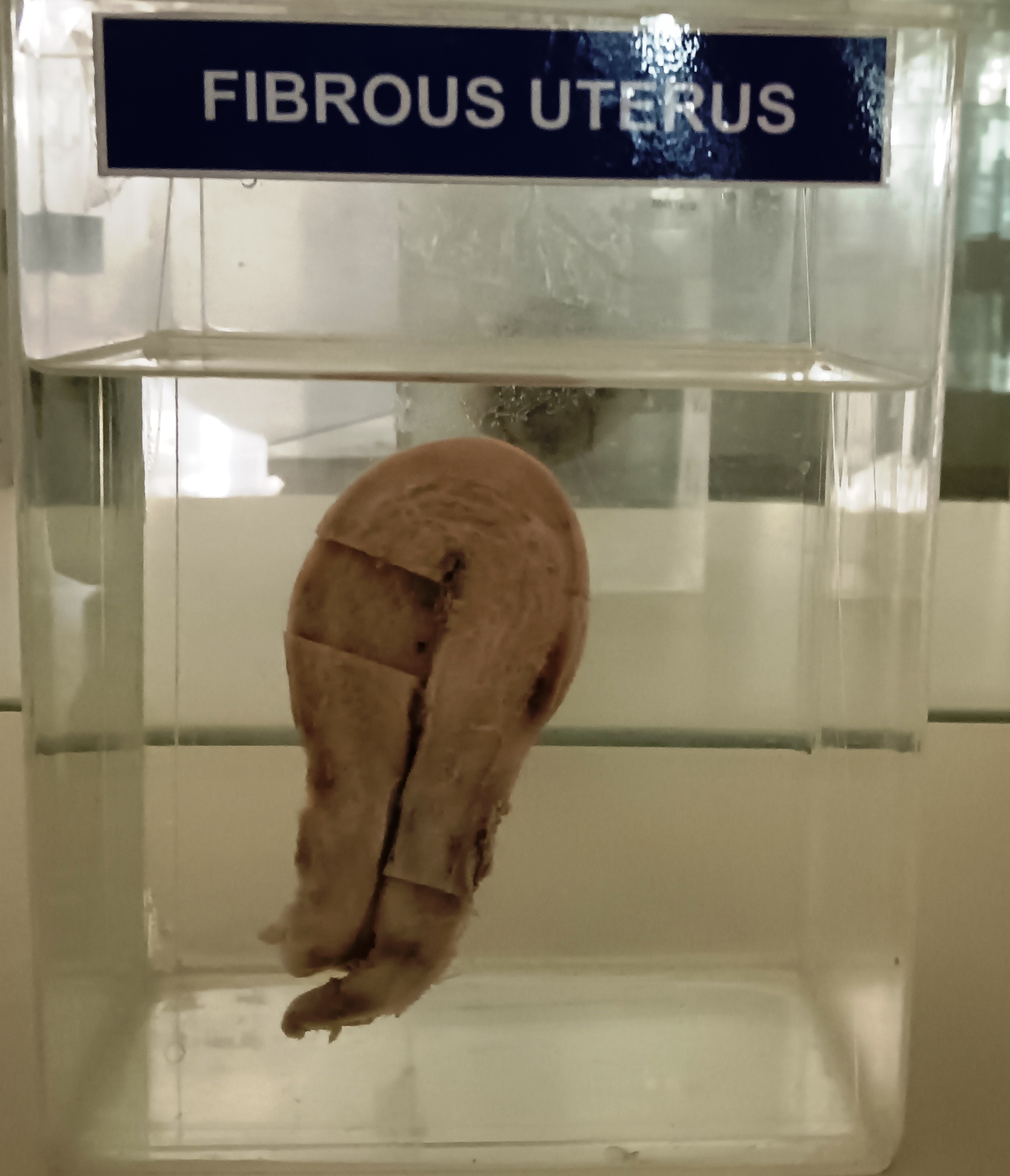
Uterine fibroids, also known as leiomyomas or myomas, are noncancerous growths that develop in the muscular wall of the uterus.
Fibroids can vary in size and location within the uterus. They can be small and undetectable to the naked eye or grow to be large and distort the shape of the uterus. Some fibroids grow within the uterine wall, while others grow on the outer surface of the uterus or extend into the uterine cavity.
The exact cause of fibroids is unknown, but they are more common in women of reproductive age and tend to run in families. Symptoms can include heavy or prolonged menstrual bleeding, pelvic pain or pressure, frequent urination, constipation, and difficulty getting pregnant.
Treatment options for fibroids depend on the size, location, and severity of symptoms. Options include medication, such as hormonal therapy, or surgery, such as a myomectomy to remove the fibroids or a hysterectomy to remove the entire uterus.
