
NAMO
NAMO
NAMO
NAMO
NAMO
NAMO
NAMO
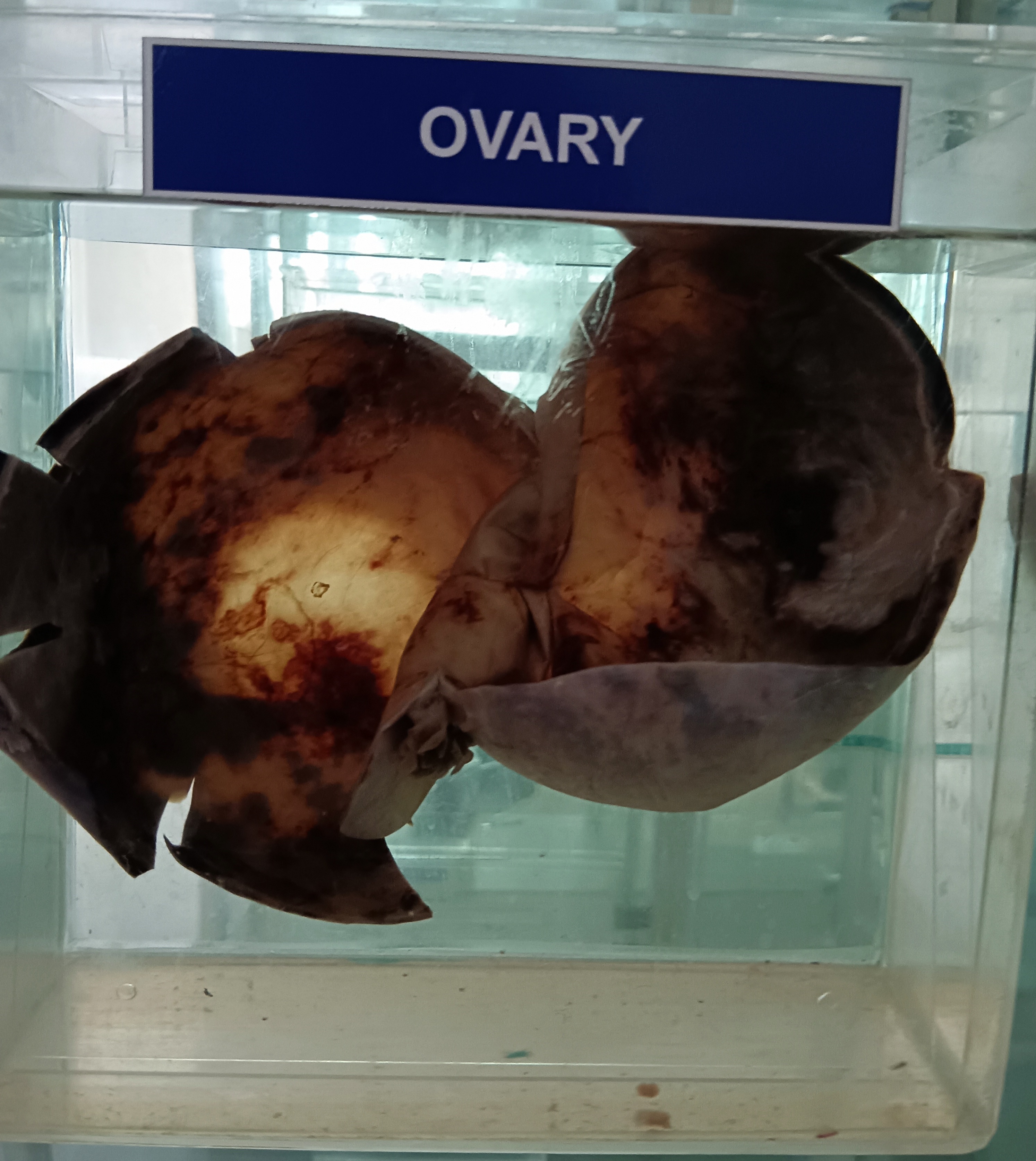
Specimen Image

Squamous cell carcinoma (SCC) of the mandible is a common, highly invasive oral malignancy, often arising from the gingiva (gum tissue) or as Primary Intraosseous Squamous Cell Carcinoma (PIOSCC) from odontogenic remnants. It frequently presents with swelling, pain, paresthesia, and tooth mobility. Surgical resection (often mandibulectomy) is the primary treatment, commonly combined with reconstruction. 

Key Aspects of Mandibular SCC

  • Invasion Mechanism: SCC of the gingiva commonly invades the mandible directly through the alveolar ridge or cortical plate.
  • Clinical Presentation: Symptoms include non-healing ulcers, pain, swelling, trismus (limited mouth opening), and paresthesia (numbness) of the lower lip.
  • PIOSCC: A rare type of SCC that develops within the jawbone without initial connection to the oral mucosa.
  • Diagnosis: Diagnosis is confirmed by biopsy, with imaging (CT/MRI) used to assess the depth of bony invasion.
  • Treatment: Surgical resection (e.g., marginal or segmental mandibulectomy) is the standard, often followed by reconstruction with free flaps (e.g., fibular flap). Adjuvant radiotherapy or chemoradiotherapy is used for advanced disease.
  • Prognosis: Survival depends on the stage, with 5-year survival rates varying (e.g., 44% in a study of advanced cases). Early detection significantly improves outcomes. 

Common Risk Factors

  • Tobacco use, alcohol consumption, and betel quid.
  • Chronic irritation and, in rare cases, arising from a pre-existing odontogenic cyst. 

Mandibular SCC requires an interdisciplinary approach, often involving head and neck surgeons, maxillo-facial surgeons, and oncologists. 

Specimen Number
26